
Understanding Utility Power Shortages and the Challenges of Grid Constraints
Across many regions, utility power shortages are becoming a growing concern for industrial, commercial, and residential electricity users. The underlying causes are complex, but two primary factors—grid constraints and rapidly increasing load—are driving the mismatch between electricity supply and demand.
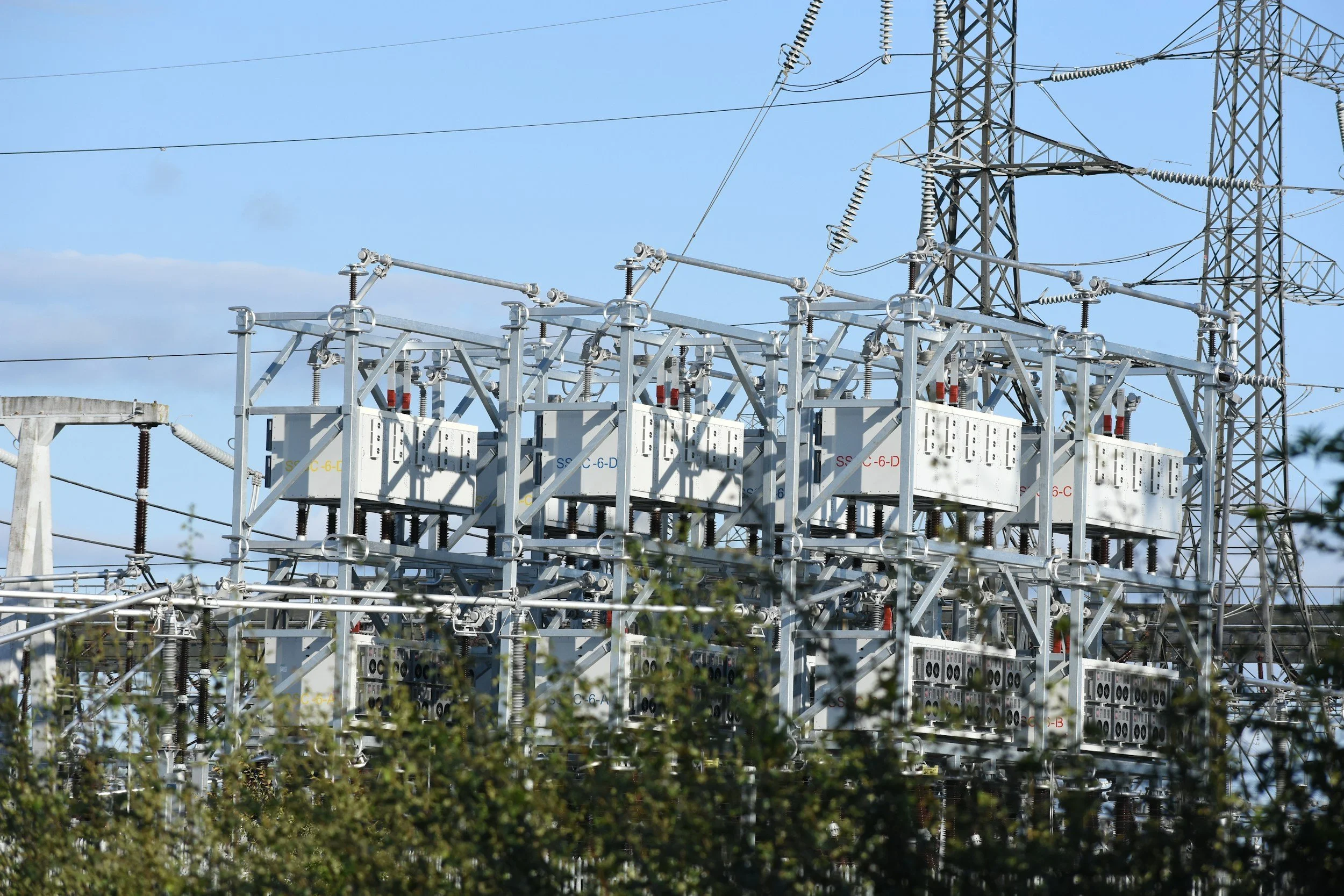
Grid constraints refer to the physical and operational limits of the electricity transmission and distribution system. Many electrical grids were designed decades ago and were not built to handle the scale of modern demand. Transmission lines, substations, and transformers have finite capacity, and when demand approaches these limits, the risk of outages, curtailments, or brownouts increases. Upgrading infrastructure is expensive, time-consuming, and often subject to lengthy regulatory and permitting processes, meaning improvements lag behind actual demand growth.
Load growth is another critical factor. Across the economy, energy consumption is rising due to expanding industrial production, data center growth, electrification of transportation, and increased adoption of digital technologies. Each of these trends adds stress to the existing utility infrastructure. In some regions, peak demand periods now exceed what utilities can reliably deliver, creating vulnerability to supply interruptions. Extreme weather events, such as heatwaves or cold snaps, further amplify this challenge, increasing the likelihood of rolling blackouts or emergency measures.
Utilities face additional challenges that make keeping pace with demand difficult. Energy generation portfolios may be constrained by regulatory requirements, fuel supply limitations, or maintenance schedules. While renewable energy integration is accelerating, intermittent generation from solar and wind can create supply variability that must be managed with complementary systems or storage. Market and policy constraints also influence the speed at which utilities can expand capacity, further slowing responses to rapidly growing loads.
Another contributing factor is the financial and logistical complexity of building new generation assets. Large-scale power plants require significant capital investment, long construction timelines, and regulatory approval. Delays in any of these areas can create bottlenecks, leaving utilities unable to meet near-term demand spikes. Similarly, adding transmission capacity or upgrading aging infrastructure requires coordination across multiple stakeholders, including regulatory agencies, landowners, and local communities.
As a result of these combined pressures, industrial and commercial energy users increasingly experience reliability risks and rising costs. Interruptions or constrained supply can lead to production losses, downtime, and operational inefficiencies. This environment has driven interest in alternative energy strategies, such as on-site generation, energy storage, and behind-the-meter solutions, which allow organizations to mitigate dependency on the strained utility grid.
In conclusion, utility power shortages are largely driven by grid constraints, rising load, and the inherent delays in expanding infrastructure. Utilities face a complex combination of technical, regulatory, and financial challenges that make keeping up with demand difficult. Understanding these factors is essential for energy planners, industrial operators, and policymakers seeking to maintain reliable power delivery while supporting economic growth and sustainability. The trend underscores the importance of resilient, flexible energy strategies capable of addressing both current and future electricity needs.