
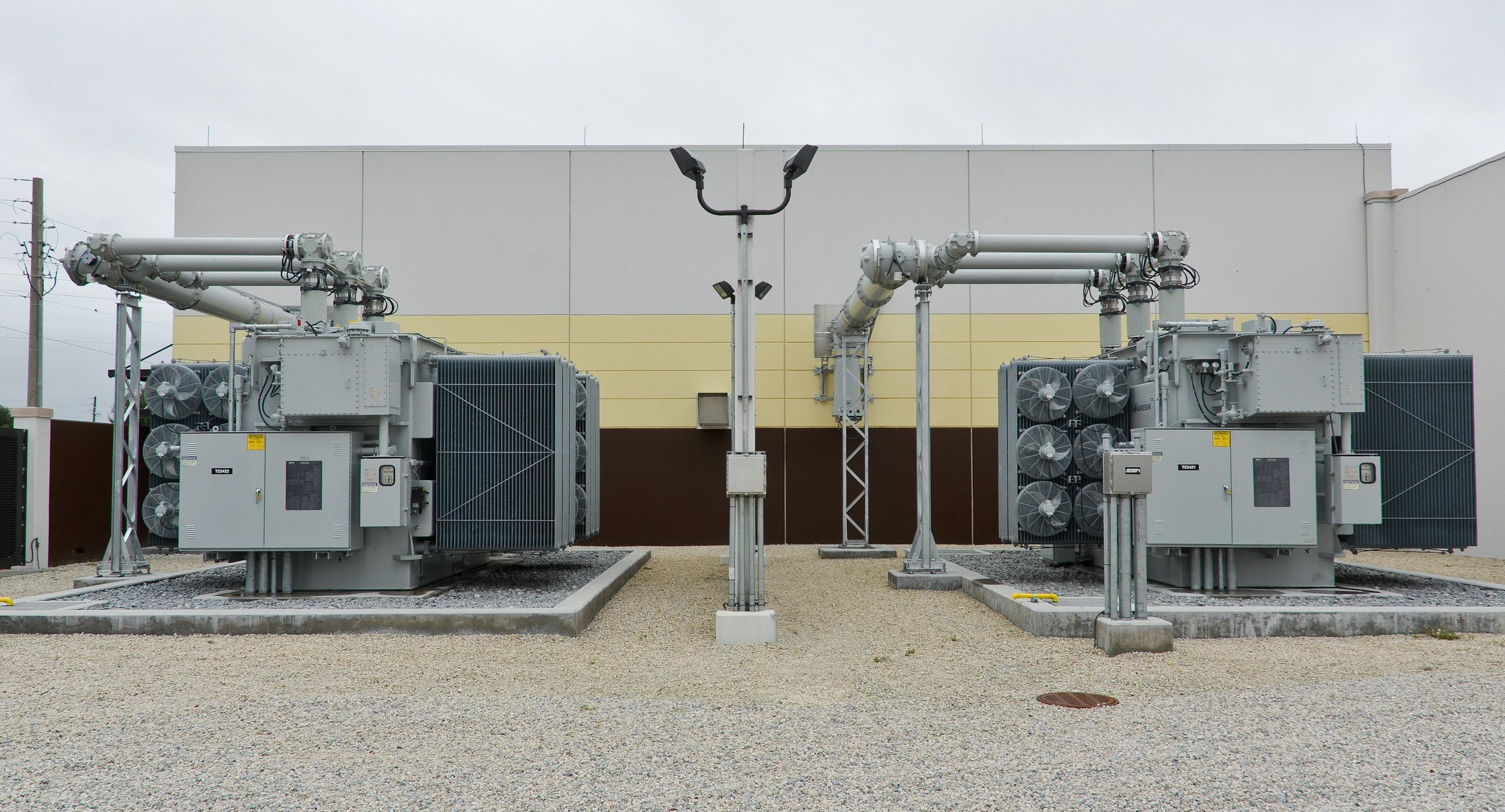
Short-Term Power:
Bridging Gaps for Industrial Loads
Industrial and commercial facilities sometimes face gaps in electricity supply that can disrupt operations, create financial losses, and compromise safety. Short-term power solutions are designed to address these gaps by providing temporary, reliable electricity during periods of high demand, unexpected outages, or while permanent generation assets are being installed. Understanding the difference between temporary and permanent solutions is critical for energy planners and operational managers.
Temporary power typically involves mobile or quickly deployable generation equipment such as rental generators, modular turbine units, or containerized energy systems. These systems can be installed rapidly, often within days or weeks, providing immediate electricity to support critical loads. They are particularly valuable for bridging power during planned outages, emergency situations, or construction phases when permanent generation is not yet operational. Temporary power solutions are flexible and scalable, allowing operators to meet variable demand without committing to long-term infrastructure.
Permanent power solutions, in contrast, involve the installation of dedicated on-site generation assets such as natural gas turbines, combined heat and power systems, or industrial-scale generators. These systems are designed for long-term operation, integrating into a facility’s energy strategy and providing continuous, reliable power. Permanent solutions require more upfront planning, capital investment, and regulatory approvals but offer significant advantages in efficiency, operational control, and energy cost management over time.
The decision between temporary and permanent power often depends on the facility’s operational priorities and the nature of the load. High-value, mission-critical operations such as manufacturing lines, data centers, or processing plants may rely on short-term power to avoid downtime while permanent systems are engineered and deployed. By providing immediate backup, temporary power bridges the operational gap and maintains continuity in production, safety systems, and essential services.
Short-term power also plays a strategic role in managing peak demand. Many industrial users face periods when electricity needs exceed what the utility or existing on-site generation can supply. Temporary solutions allow facilities to meet peak loads without investing immediately in permanent capacity, buying time to plan and finance long-term solutions. This approach provides both flexibility and cost control while reducing the risk of operational interruptions.
Integration and monitoring are essential for effective temporary power deployment. Modern mobile turbines and generator systems include remote monitoring, load management capabilities, and safety controls to ensure stable and efficient operation. They can be configured to operate in parallel with existing power systems, providing seamless energy delivery and minimizing disruption to facility operations.
In conclusion, short-term power solutions are a critical tool for industrial and commercial facilities facing temporary gaps in electricity supply. Whether bridging delays in permanent generation deployment, managing peak demand, or addressing emergency outages, temporary power ensures operational continuity and reduces risk. By understanding the role of temporary versus permanent solutions, organizations can develop flexible energy strategies that meet immediate needs while supporting long-term reliability, efficiency, and cost management.