
Power Economics:
Comparing Behind-the-Meter Solutions and Utility Power
Electricity costs are a major factor in operational planning for industrial and commercial facilities. Understanding the economic trade-offs between behind-the-meter (BTM) power generation and traditional utility supply is critical for making informed energy decisions. Both options have distinct cost structures, risk profiles, and operational implications that influence long-term business outcomes.
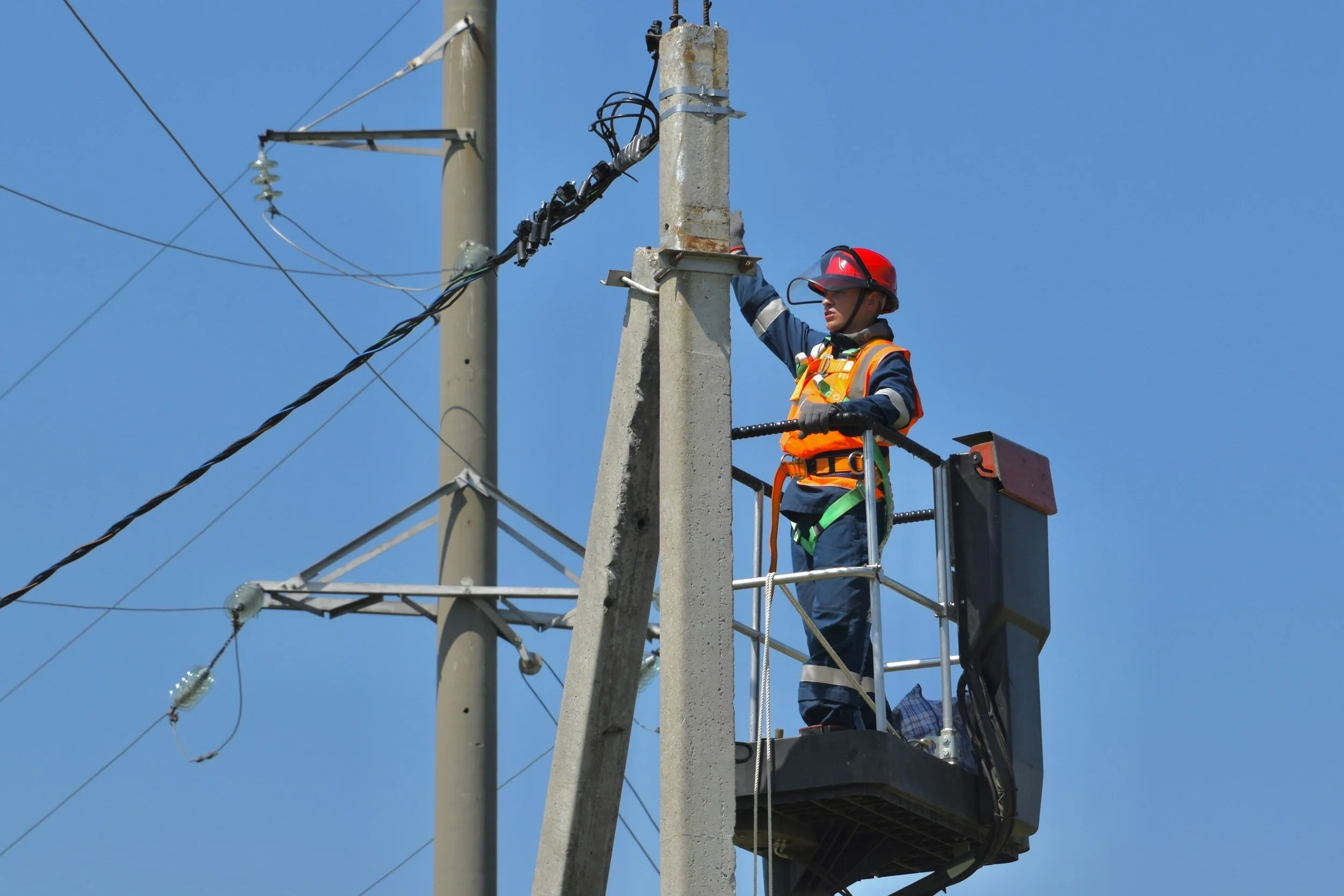
Utility power is typically purchased from the local grid, with costs determined by a combination of fixed tariffs, usage-based charges, and demand fees. Rates can fluctuate due to fuel costs, regional demand, and regulatory policies. While utilities offer predictable access to electricity without the need for on-site generation assets, they are subject to grid constraints, supply variability, and potential price volatility. Facilities reliant solely on utility power may also face additional costs from outages or peak demand surcharges.
Behind-the-meter power provides an alternative by enabling organizations to generate electricity on-site. BTM systems can include natural gas turbines, combined heat and power plants, renewable energy sources, and energy storage. By producing energy directly at the facility, organizations gain greater control over cost structures and can reduce exposure to utility rate fluctuations. BTM generation often requires upfront capital investment, including equipment, installation, and permitting costs. However, over time, operational savings, efficiency gains, and the ability to optimize energy use can offset initial expenditures and provide predictable energy costs.
Economic benefits of BTM solutions extend beyond simple cost savings. On-site generation allows facilities to manage peak loads, avoid expensive demand charges, and maintain uninterrupted operations during utility outages. In certain regulatory environments, excess electricity can be sold back to the grid, creating additional revenue streams. For industrial users with high energy intensity, these advantages can translate into substantial financial value over the lifecycle of the installation.
Short-term versus long-term considerations also factor into power economics. Utility power provides flexibility and low upfront investment but exposes facilities to market and reliability risks. BTM power requires higher initial capital but offers predictable operational costs, resilience, and potential efficiency gains. Organizations often evaluate these trade-offs based on load profiles, growth projections, and strategic goals, seeking a balance between cost control, operational security, and sustainability objectives.
The integration of energy management systems further enhances the economic case for BTM solutions. Advanced monitoring, control, and optimization tools allow operators to adjust production in real-time, coordinate with renewable sources, and maximize efficiency. This reduces wasted energy, lowers operating costs, and strengthens the overall return on investment.
In conclusion, understanding the economics of power is essential for industrial and commercial energy planning. While utility power provides convenience and low initial cost, behind-the-meter generation offers greater control, resilience, and long-term cost stability. Evaluating the trade-offs between these approaches enables organizations to design energy strategies that meet operational needs, manage financial risk, and support sustainable growth.